Top Benefits of Supporting Local Farmers and Markets
In a world increasingly dominated by large corporations and global supply chains, the importance of supporting local farmers and markets cannot be overstated. When you choose to buy local, you are not just making a purchase; you are making a statement about the kind of community you want to live in. This blog post will explore the numerous benefits of supporting local farmers and markets, from boosting the local economy to promoting sustainability and fostering community connections.
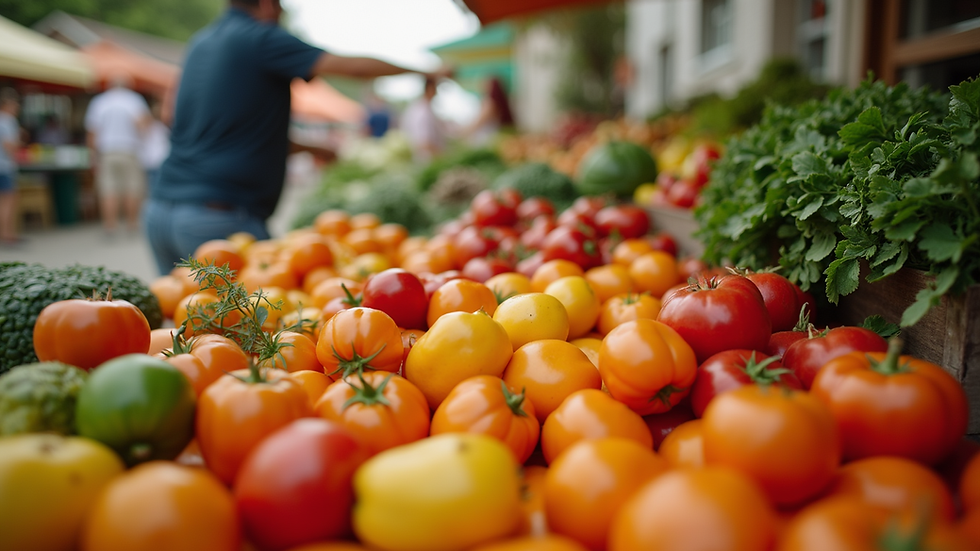
Strengthening the Local Economy
One of the most significant advantages of supporting local farmers and markets is the positive impact on the local economy. When you buy from local producers, your money stays within the community, helping to create jobs and stimulate economic growth. Here are some key points to consider:
Job Creation: Local farms often employ local residents, providing jobs that are essential for the community's economic health. According to a study by the American Farmland Trust, local farms create more jobs per dollar of revenue than large-scale farms.
Multiplier Effect: Money spent at local businesses tends to circulate within the community. For example, a dollar spent at a local farm can generate up to three times its value in local economic activity. This multiplier effect helps to sustain other local businesses, from restaurants to grocery stores.
Tax Revenue: Supporting local farmers contributes to local tax revenues, which can be used to fund essential services such as schools, roads, and public safety. This creates a more vibrant and well-maintained community.
Promoting Sustainability
Supporting local farmers and markets is also a step towards a more sustainable future. Here’s how:
Reduced Carbon Footprint: Local food travels shorter distances from farm to table, which means less fuel is used for transportation. This reduction in carbon emissions is crucial for combating climate change.
Organic Practices: Many local farmers prioritize sustainable and organic farming practices. By supporting them, you encourage environmentally friendly methods that protect soil health, conserve water, and reduce chemical use.
Biodiversity: Local farms often grow a diverse range of crops, which helps to maintain biodiversity. This is important for ecosystem health and resilience against pests and diseases.
Freshness and Quality
When you buy from local farmers, you often get fresher and higher-quality produce. Here’s why:
Harvest Timing: Local produce is typically harvested at its peak ripeness, ensuring maximum flavor and nutritional value. In contrast, food that travels long distances is often picked early to withstand transportation, resulting in a loss of taste and nutrients.
Seasonal Variety: Local markets offer seasonal produce, which encourages consumers to eat a varied diet. This not only supports health but also fosters a deeper connection to the changing seasons and local agriculture.
Transparency: Buying directly from farmers allows you to ask questions about their growing practices. This transparency builds trust and ensures you know exactly where your food comes from.
Fostering Community Connections
Supporting local farmers and markets helps to strengthen community ties. Here’s how:
Social Interaction: Farmers markets are social hubs where community members gather to shop, chat, and connect. This fosters a sense of belonging and community spirit.
Educational Opportunities: Many local markets offer workshops, cooking demonstrations, and farm tours. These events educate consumers about food production, nutrition, and cooking, empowering them to make informed choices.
Support for Local Culture: Local farmers often reflect the culture and traditions of the area. By supporting them, you help preserve local heritage and promote cultural diversity.
Health Benefits
Eating locally sourced food can have significant health benefits. Here are some key points:
Nutrient-Rich Foods: Fresh produce from local farms is often more nutrient-dense than food that has traveled long distances. This means you are more likely to get the vitamins and minerals your body needs.
Reduced Exposure to Chemicals: Local farmers are often more invested in their communities and may use fewer pesticides and chemicals compared to large-scale agricultural operations. This can lead to healthier food options for consumers.
Encouraging Healthy Eating Habits: Access to fresh, local produce can encourage healthier eating habits. When fruits and vegetables are readily available, people are more likely to incorporate them into their diets.
Supporting Animal Welfare
Many local farmers prioritize animal welfare, which is an essential consideration for conscious consumers. Here’s how:
Humane Practices: Local farms often adhere to higher animal welfare standards than large industrial farms. This means animals are typically raised in more humane conditions, with access to pasture and natural behaviors.
Transparency in Farming: When you buy from local farmers, you can often see how animals are treated and raised. This transparency allows consumers to make ethical choices about the food they purchase.
Conclusion
Supporting local farmers and markets is a powerful way to contribute to your community, promote sustainability, and enjoy fresher, healthier food. By choosing to buy local, you are not just making a purchase; you are investing in the future of your community and the planet.
Next time you’re at the grocery store or planning your meals, consider visiting a local farmers market or purchasing from a nearby farm. Your choices can make a significant difference, and together, we can build a stronger, more sustainable future.
Comments