How to Choose the Best Seasonal Produce Online
In today’s fast-paced world, many of us are turning to online shopping for our groceries, including fresh produce. But how do you ensure that you’re selecting the best seasonal fruits and vegetables when shopping online? With a little knowledge and some practical tips, you can make informed choices that not only support your health but also benefit local farmers and the environment. This guide will walk you through the essentials of choosing the best seasonal produce online.
Understanding Seasonal Produce
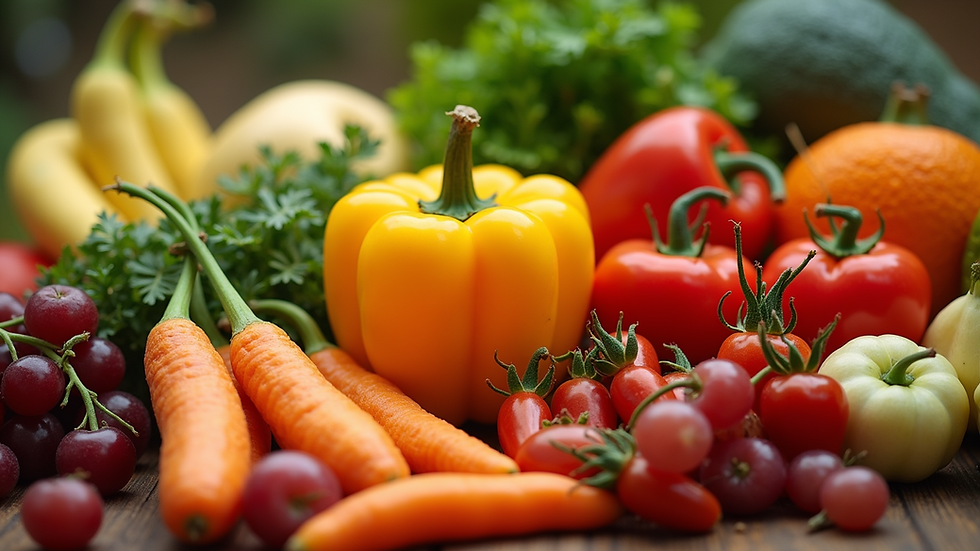
Seasonal produce refers to fruits and vegetables that are harvested during their natural growing season. Eating seasonally means you are consuming foods that are at their peak flavor and nutritional value. Additionally, seasonal produce is often more affordable and environmentally friendly, as it doesn’t require long-distance transportation.
Benefits of Eating Seasonal Produce
Better Flavor: Seasonal fruits and vegetables are harvested at their peak ripeness, resulting in superior taste.
Nutritional Value: Freshly harvested produce retains more nutrients compared to items that have been stored for long periods.
Cost-Effective: Seasonal items are often less expensive due to their abundance.
Supports Local Farmers: Buying seasonal produce often means purchasing from local farms, which helps support your community.
Environmental Impact: Seasonal produce typically requires less energy for transportation and storage, reducing your carbon footprint.
How to Identify Seasonal Produce
Identifying seasonal produce can vary based on your location. Here are some general guidelines to help you determine what’s in season:
Spring: Asparagus, peas, strawberries, and radishes.
Summer: Tomatoes, zucchini, peaches, and corn.
Fall: Pumpkins, apples, Brussels sprouts, and squash.
Winter: Root vegetables like carrots, potatoes, and winter greens such as kale and collards.
Research Local Seasons
To make the best choices, research what fruits and vegetables are in season in your area. Many online grocery stores provide seasonal charts or lists that can guide your selections. Websites like the USDA’s Seasonal Produce Guide can also be helpful.
Choosing the Right Online Grocery Store
When shopping for seasonal produce online, selecting the right grocery store is crucial. Here are some factors to consider:
Reputation and Reviews
Look for stores with positive customer reviews, especially regarding their produce quality. Websites like Yelp or Google Reviews can provide insights into other customers' experiences.
Sourcing Practices
Check if the store sources its produce locally. Many online grocery services highlight their partnerships with local farms, which can be a good indicator of freshness.
Return Policy
Understand the store’s return policy for produce. If you receive items that are not fresh or are damaged, you should have the option to return or exchange them.
Tips for Selecting Seasonal Produce Online
When you’re ready to shop, keep these tips in mind to ensure you select the best seasonal produce:
Read Descriptions Carefully
Online listings often include descriptions of the produce, including its origin and ripeness. Pay attention to these details to make informed choices.
Look for Certifications
If possible, choose organic or sustainably sourced produce. Look for certifications that indicate the produce is grown without harmful pesticides or chemicals.
Check for Freshness Indicators
Some online stores provide freshness indicators, such as “picked today” or “freshly harvested.” These can help you gauge the quality of the produce.
Use Filters
Many online grocery platforms allow you to filter by seasonal items. Use these filters to quickly find what’s currently in season.
Consider Buying in Bulk
If you find a great deal on seasonal produce, consider buying in bulk. You can freeze or preserve excess fruits and vegetables for later use.
Storing Seasonal Produce
Once you’ve selected your seasonal produce, proper storage is essential to maintain freshness. Here are some storage tips:
Refrigeration
Leafy Greens: Store in a breathable bag in the crisper drawer.
Berries: Keep in their original container and wash just before eating.
Root Vegetables: Store in a cool, dark place, away from direct sunlight.
Counter Storage
Tomatoes: Keep at room temperature to maintain flavor.
Stone Fruits: Allow to ripen on the counter before refrigerating.
Freezing
If you have excess seasonal produce, freezing is a great option. Blanch vegetables before freezing to preserve color and nutrients. Fruits can be frozen directly after washing and cutting.
Cooking with Seasonal Produce
Cooking with seasonal produce not only enhances the flavor of your meals but also encourages creativity in the kitchen. Here are some ideas for incorporating seasonal fruits and vegetables into your meals:
Salads
Create vibrant salads using a mix of seasonal greens, fruits, and nuts. For example, a summer salad with fresh peaches, arugula, and walnuts can be refreshing and nutritious.
Soups and Stews
Utilize root vegetables and greens in hearty soups and stews. A fall vegetable soup with squash, carrots, and kale can be both comforting and healthy.
Smoothies
Blend seasonal fruits into smoothies for a delicious breakfast or snack. A winter smoothie with frozen berries and spinach can be a great way to start your day.
Roasting
Roasting seasonal vegetables brings out their natural sweetness. Try roasting Brussels sprouts and carrots with olive oil and herbs for a simple side dish.
Conclusion
Choosing the best seasonal produce online can enhance your meals, support local farmers, and contribute to a healthier lifestyle. By understanding the benefits of seasonal eating, researching local seasons, selecting the right online grocery store, and following practical tips for selection and storage, you can make informed choices that benefit both you and the environment.
Next time you shop online, remember these tips and enjoy the delicious flavors of seasonal produce!
Comments